What’s up…

Mental health resources, therapy education, and unapologetically honest conversations about mental health.
PRC Philosophy
1. Healing Over Performing
Mental health is not about looking healed, sounding enlightened, or meeting someone else’s definition of wellness. We believe healing begins when people stop performing and start showing up authentically.
2. Reclaiming the Self
Recovery is not simply symptom reduction. It is the process of reconnecting with parts of yourself that have been silenced by trauma, oppression, expectations, or survival.
3. Questioning the Narratives
Like punk rock, we challenge dominant messages about success, productivity, happiness, and mental health. Not every struggle is an individual problem. Many are responses to systems, cultures, and environments that ask people to disconnect from themselves.
4. Honesty Over Perfection
Growth is messy. Therapy is messy. Being human is messy. We embrace imperfection, vulnerability, contradiction, and the discomfort that often accompanies meaningful change.
5. Mental Health Without Stigma
Mental health challenges are not character flaws. We are committed to reducing shame through education, understanding, and compassionate conversation.
6. Radical Authenticity
We encourage people to explore who they are beneath social expectations, cultural pressures, and imposed identities. Authenticity is not a destination but an ongoing practice of self-discovery.
7. Education as Empowerment
Knowledge should be accessible, practical, and empowering. We believe people deserve clear information about mental health, therapy, identity, relationships, and personal growth.
8. Community Matters
Healing rarely happens in isolation. Relationships, connection, belonging, and collective support are often essential parts of recovery and resilience.
9. Resistance as Wellness
Sometimes mental health means adapting. Sometimes it means resisting. We honor the ways people advocate for themselves, challenge harmful norms, and create lives that align with their values.
10. Humanity Before Productivity
Your worth is not determined by what you produce, achieve, earn, or accomplish. Being human is enough. Mental health should support a meaningful life, not simply make people more functional within systems that may be harming them.
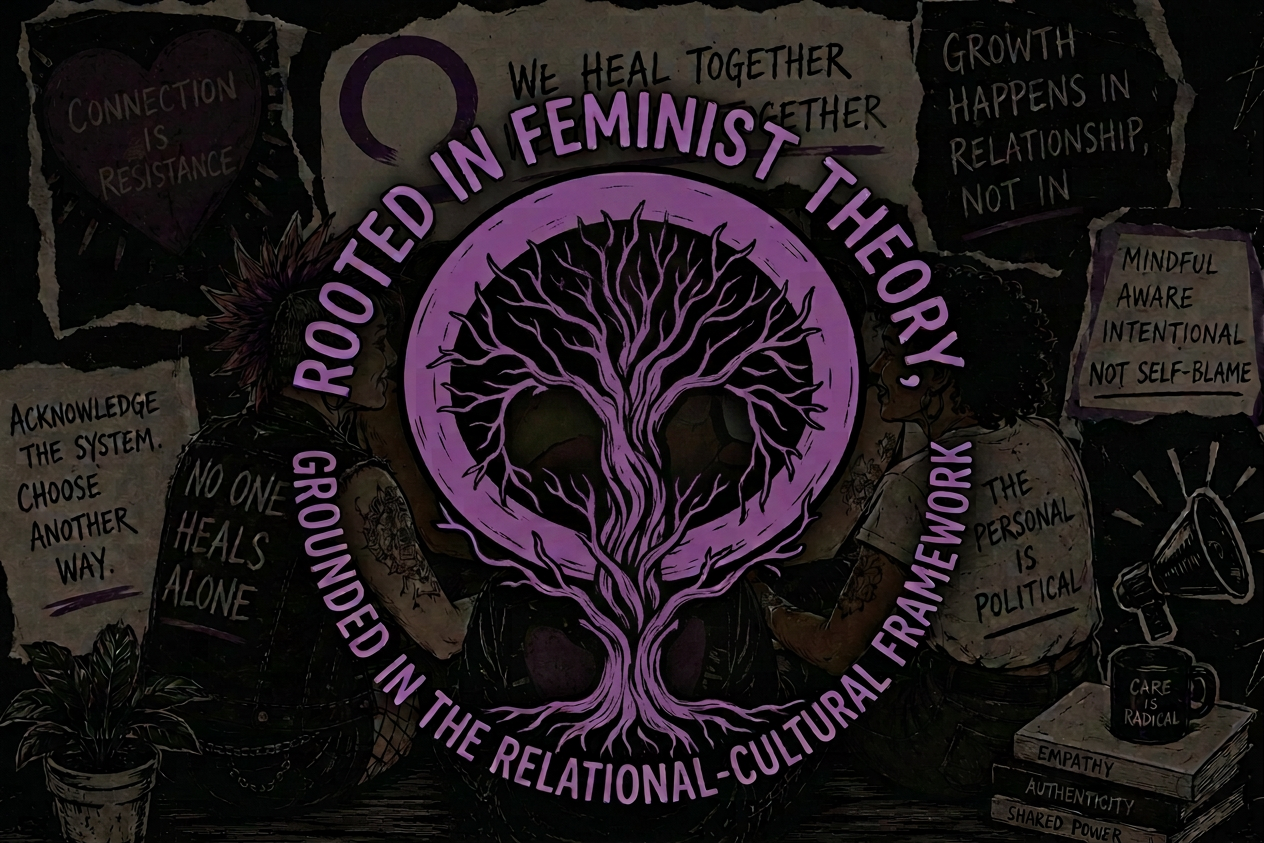
Rooted in Feminist theory, grounded in the Relational‑Cultural Framework
Punk rock counseling understands growth as a product of connection, not isolation. It highlights how inequitable systems fracture relationships and how mutual empathy, authenticity, and shared power help restore them. It acknowledges that the personal is in the political and the political is in the personal. Acceptance and mindfulness practices support this work by helping clients notice their internal experiences without judgment, recognize how systemic forces shape them, and respond intentionally rather than with self‑blame. The approach is collaborative, liberatory, and unapologetically aware of the world clients move through.

You don’t need fixing. You need space to be human.
You’re not a thing that can be broken. You need space to show up as your full, complicated self.
You’re not a problem to solve. You’re a person who deserves space, care, and understanding.
You don’t need to be/get “better.” You need a place where your humanity is welcomed, not judged.
Many people come into therapy believing they are “broken,” and in our modern Western, capitalist culture, broken things are often treated as trash—discarded rather than repaired. When you’ve been told repeatedly that you’re supposed to perform at peak levels, any crack in that façade can feel like failure. It becomes easy to internalize the idea that if you’re not functioning perfectly, you must be defective. Therapy challenges that narrative. Even if you can’t yet see yourself as whole or unbroken, there is another way to understand your experience—one that honors your history, your pain, and your capacity to heal.
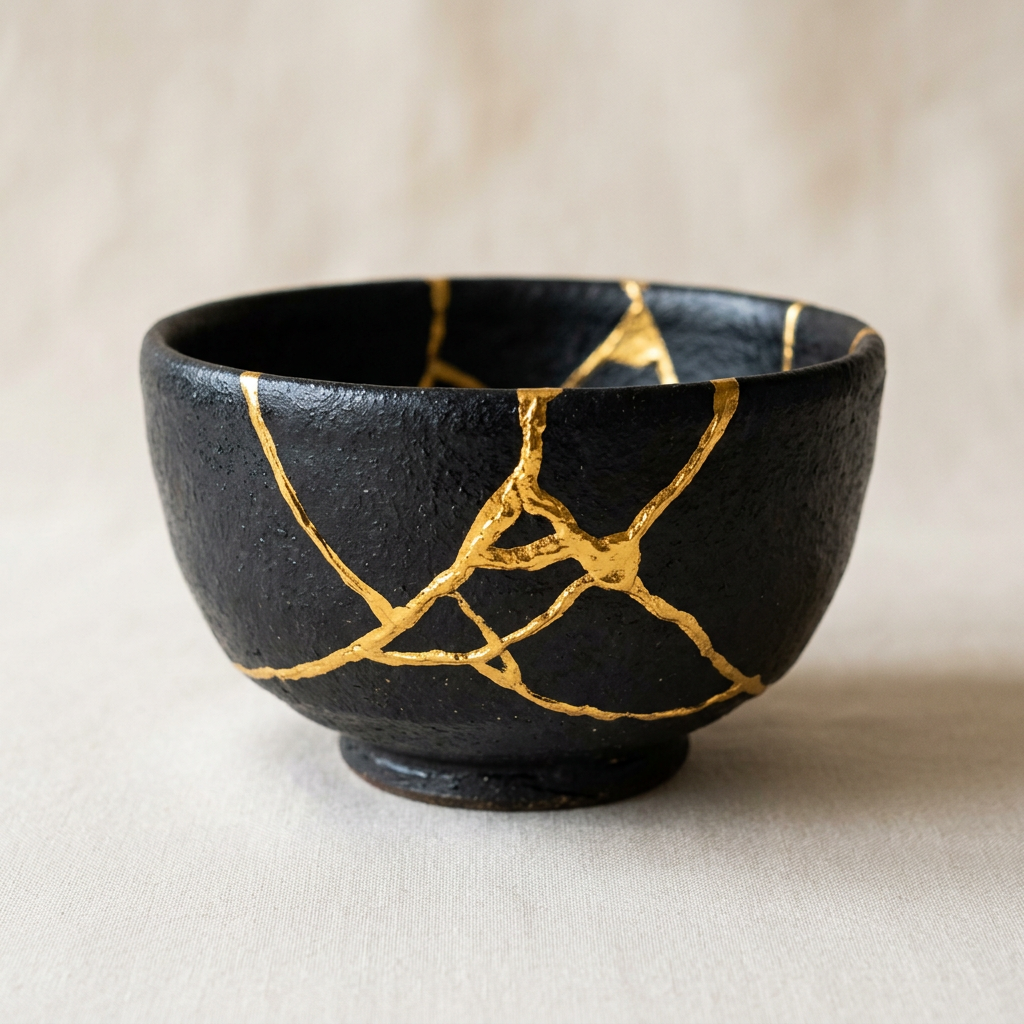
In Japanese culture, the kintsugi bowl offers a powerful counter‑story.
Instead of throwing away a treasured bowl that has chipped or shattered over time, the fragments are carefully gathered and placed in the hands of a skilled artisan. The bowl’s breaks are not hidden; they are repaired with gold, making the cracks the most beautiful part of the vessel. The bowl becomes more valuable because of what it has survived. In this metaphor, the bowl represents you—your lived experiences, your relationships, your history. The artisan is also you, but you need training, tools, and guidance to learn how to repair what has been fractured. That is the work of therapy: not erasing the breaks, but learning how to mend them with intention, honesty, and compassion.
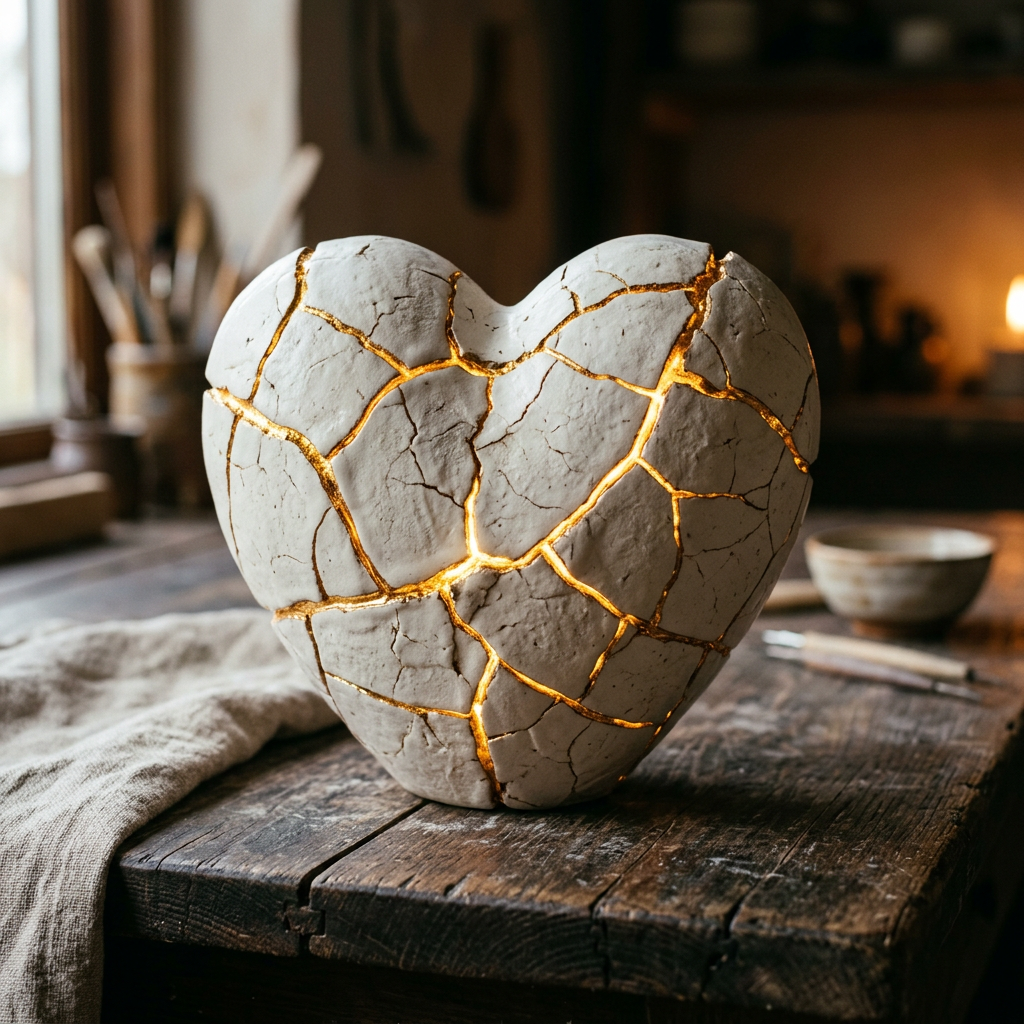
Therapy gives you the “gold”—the skills, insight, and relational support needed to rebuild yourself in a way that honors your story rather than hiding it. The repairs are not meant to create an unrealistic ideal or a perfectionistic version of you. They highlight your journey, your resilience, and the meaning you’ve made along the way. Through this process, you learn to see your cracks not as evidence of failure, but as markers of survival and transformation. Even if you cannot yet embrace the idea that you were never broken, the kintsugi metaphor offers another path: you can gather your pieces, learn the craft of repair, and create a self that reflects your truth, your history, and your place in the world.
Therapy is like any other intimate relationship in which there needs to be a healthy amount of trust, respect, and like-mindedness.
Our practice and this site are dedicated to providing a genuinely safe, affirming space for BIPOC clients, LGBTQIA+ communities, and anyone seeking antifascist, anti‑oppressive care. Our approach actively resists capitalist, colonial, and oppressive narratives that pathologize people or disconnect them from their humanity. Here, therapy is a collaborative, culturally humble space where your lived experience is honored, your identity is celebrated, and your voice is central in shaping a life aligned with your values.
Start wherever the hell you are.
Maybe you’re ready for therapy. Maybe you’re just trying to figure out what you’re feeling. Maybe you’re exhausted and don’t know where to begin.
That’s okay.
These resources are here to help you learn, explore, and take your next step.
Therapy 101
Because therapy shouldn’t feel like a secret club.
Learn what therapy is, what to expect, and how to find the right support.
Relationships
Because humans are messy and relationships are harder.
Explore boundaries, communication, trust, and connection.
Mental Health
Your brain is complicated. You’re not broken.
Explore resources about anxiety, depression, trauma, and emotional wellness.
Grief
There is no “getting over it.” There is learning to carry it.
Resources for navigating loss, change, and the things we wish we could undo.
Recovery
Healing is not a straight line.
Tools and resources for growth, change, and reconnecting with yourself.
Wellness Toolkit
A toolbox for your brain, heart, and everyday survival.
Books, apps, exercises, and resources to support your mental health.